
The best breakfast for footballers: what to eat in the morning, before school and before a match
It is the meal most often missed in academies, and the one whose cost nobody measures. What it should contain, how to adapt it on match day, and what to do when he is not hungry in the morning.
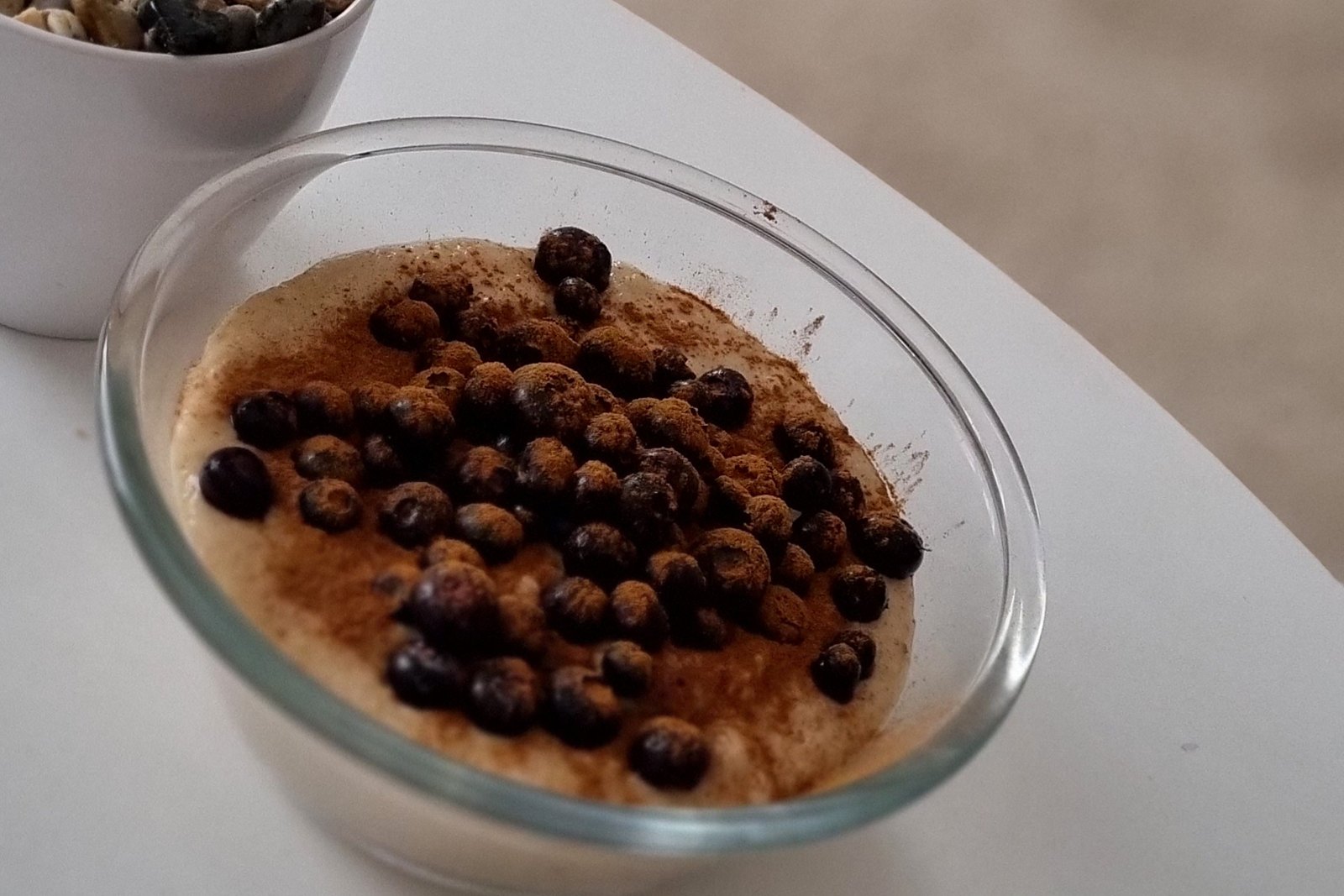
7:10 am. The bus comes in ten minutes, the kit bag is already on his shoulder, and breakfast amounts to a glass of juice drunk standing up. Sometimes to nothing at all.
I see this scene in a huge number of the families I work with. And almost nobody worries about it, because the player looks fine and he "will eat properly at lunch".
The problem is that this meal does not just serve to keep him going until break time. It opens a day that will string together six or seven hours of lessons, a journey, then a training session in the late afternoon.
Here is how I build it with the players I coach, depending on the kind of day ahead of them.
1. Why skipping breakfast costs you on the pitch
Between dinner and waking up, a teenager often goes ten to twelve hours without eating. During the night, the body keeps working: it repairs, it grows, it draws on the carbohydrate stores held in the liver. On waking, those stores are low.
Without breakfast, the player arrives at school with a tank that is already half empty. Concentration drops in the late morning, hunger explodes at break time, and that is often when the biscuits and sugary drinks from the vending machine come out.
And the effect does not stop at lunchtime. The 5 pm training session also depends on what has been eaten since the morning. A player who starts the day on empty rarely finishes it at full strength, even if he ate well in the canteen.
2. What a good footballer's breakfast should contain
No need for complicated recipes. A solid breakfast rests on four elements, and you will find them in any kitchen.
- Carbohydrates, the foundation. Brown or wholemeal bread, oats, muesli with no added sugar, raisin bread on match days. It is fuel for the brain in the morning and for the muscles in the afternoon.
- Protein, the weak point. This is what is most often missing. Eggs, quark or fromage frais, skyr, plain yoghurt, ham, cheese, a big glass of milk. For a 60 kg player, we aim for around 20 to 25 g at this meal.
- A piece of fruit. Banana, apple, berries, it does not matter. Vitamins, fibre, and a little useful sugar.
- Water. One or two glasses as soon as he gets up. After a night's sleep, the body starts slightly dehydrated, and that affects alertness. The full guidelines are in hydration for footballers.
Bread with chocolate spread is not forbidden. It becomes a problem when it is on its own, with nothing high in protein alongside it, every single morning.
3. School day, training day, match day: the same meal is not enough
Breakfast adapts to what comes next. Here are practical examples for a player of around 60 kg, to be adjusted according to weight and appetite.
School day, training in the evening
Three slices of brown bread with cheese or ham, a bowl of quark with a banana, a glass of water. And in the lunchbox, something to keep him going until lunch: a piece of fruit and a handful of nuts, or a drinking yoghurt. For the rest of the day, see what to eat between school and evening training.
Morning training (camp, holidays, academy)
Around two hours before the session: a bowl of oats cooked in milk with a banana and a little honey, plus two eggs if his appetite allows. If the session starts less than an hour after waking up, go lighter (a banana and a yoghurt) and eat properly afterwards.
Morning match
This is where it all comes together. Ideally, the meal is eaten around three hours before kick-off. For a 10 am match, that means eating at around 7 am.
Priority goes to easily digestible carbohydrates: white bread or raisin bread with a little jam or honey, a banana, a yoghurt. Limit anything that slows digestion (fried food, fatty cold meats, large amounts of fibre) and never try anything new on a match morning. If kick-off is too early to eat three hours before, a smaller meal two hours before, then a banana an hour before, does the job very well. The timing in detail is in what to eat before a football match.
4. "He is not hungry in the morning": what really works
It is the sentence I hear most from parents. It is often true, and it can be worked on. You do not force a teenager to eat three slices of bread overnight; you bring him there gradually.
- Start small. A yoghurt and a banana are infinitely better than nothing. Increase in stages over two or three weeks.
- Go liquid. A homemade smoothie (milk, banana, oats, yoghurt) goes down far more easily than a solid meal for players whose stomach is in a knot when they wake up.
- Allow twenty minutes. Many are not hungry because they try to eat thirty seconds after getting up. Showering and getting dressed first often changes everything.
- Look at the night before. A very late or very heavy dinner, and going to bed after midnight in front of a screen, kill the next morning's appetite. The breakfast problem often starts the evening before.
- Move part of it to break time. If nothing will go down at 7 am, a sandwich and a piece of fruit in the lunchbox, eaten at 10 am, make up a good part of the shortfall.
The most common breakfast mistakes
- Fruit juice as the only meal. Quick sugar, an energy spike, then a crash mid-morning. On a match morning, the player arrives on the pitch already on the way down.
- The bowl of sugary cereal. Filling for an hour, very low in protein. It gives the impression of having eaten without really lasting.
- The bakery pastry eaten in the car. Plenty of fat, little useful fuel, and slow digestion just before exercise.
- The energy drink. I see it turning up earlier and earlier, sometimes from 14 or 15. It has no place in the routine of an underage player, not in the morning, not before a match.
None of these habits is serious on its own. Repeated five mornings a week, for a whole season, they weigh on growth, recovery and consistent performance.
5. The questions parents ask me
What should my son eat on the morning of a 10 am match?
A meal rich in easily digestible carbohydrates at around 7 am: white bread or raisin bread with honey or jam, a banana, a yoghurt, water. Nothing fatty, nothing new. If his appetite is low, a small banana an hour before the match tops it up well.
How long before a match should you eat?
A proper meal around three hours before kick-off. The closer you get to the match, the lighter you go: a light snack one to two hours before, and nothing solid in the last half-hour.
My son eats nothing in the morning. Is it really a problem?
On a single morning, no. As a habit, yes, because an academy player's day does not leave enough meals to make up for what is missing. Start with a small liquid breakfast or a yoghurt, and build up gradually.
Are shop-bought cereals a good breakfast?
Not on their own. Oats or a muesli with no added sugar are a good base, provided you add milk, yoghurt or quark for protein, and a piece of fruit.
Is protein needed first thing in the morning?
Yes. In a growing teenager who trains, protein needs to be spread across the day, and breakfast is almost always the meal where it is most lacking. Eggs, a dairy product or ham are enough to fix that.
Key takeaways
Breakfast is not a minor detail of family logistics. For a young footballer, it is the first meal that funds the whole day, school included, training included.
Carbohydrates, protein, a piece of fruit, water. A lighter, earlier version on match days. And when his appetite does not follow, build it up in stages rather than giving up.
Many players who fade in the second half or switch off in afternoon lessons do not have a problem with their level. They have a problem that starts at 7 in the morning.
Keep reading.
What to eat before a football match?
Meal timing, foods to choose and foods to avoid on match day.
Why a young footballer does not eat like an adult
Growing, learning, performing, recovering: a teenager eats for four.
Hydration for footballers: the complete guide
How much to drink before, during and after a match, and why 2% is enough to drag your level down.
Is your son's nutrition matching his ambitions?
A free two-minute quiz to find out exactly where he stands and what needs adjusting.