
Pre-match nutrition is one of the most powerful levers for performing on the pitch, and yet it is the most neglected.
In this complete guide, I tell you exactly what to eat, when to eat and how much, so you are at your best from the first whistle.
Why the pre-match meal matters so much
A football match lasts 90 minutes and burns 800 to 1200 kcal. You cover 10 to 12 km on average, with repeated sprints, changes of direction and explosive efforts. To sustain that pace, your body needs muscle glycogen, built up from the carbohydrates you eat.
A poorly judged meal can lead to: a heavy stomach, a sugar crash in the second half, muscle cramps or a lack of sharpness in your sprints.
The basic principle: the pre-match meal should maximise your glycogen stores, be easy to digest and cause no gut discomfort during exercise.
Timing: when to eat before a match
| Timing | What you eat |
|---|---|
| 3 to 4 hours before | Full main meal (carbohydrates, protein, vegetables) |
| 1.5 to 2 hours before | Light snack (banana, wholemeal bread, yoghurt) |
| 30 min before | Nothing, or just water |
Playing in the morning? Then breakfast becomes your pre-match meal: the guidelines are in breakfast for young footballers.
The main meal (3 to 4 hours before)
- Complex carbohydrates (60-65%): pasta, rice, potatoes, quinoa.
- Light protein (20-25%): grilled chicken, turkey, eggs, white fish.
- Cooked vegetables (15%): avoid raw vegetables, which are hard to digest.
- Very little fat: no heavy sauces, no cheese, nothing fried.
Ideal example: 200 g of cooked pasta, 120 g of grilled chicken, steamed courgettes and a drizzle of olive oil.
What to eat 2 hours before a match
- Banana: natural sugars and potassium against cramp.
- Wholemeal bread and jam: steady energy.
- Plain yoghurt: light protein.
What to avoid at all costs
- Fast food and fried food: slow digestion, guaranteed heaviness.
- Raw vegetables and pulses: risk of bloating.
- Sugary drinks: a blood sugar spike followed by a sharp drop.
- A large meal less than 2 hours before: your stomach will still be full.
- Trying a new food: never on match day.
One last point that is too often forgotten: hydration is prepared well before kick-off, not just at half-time. To know how much to drink, when, and with which electrolytes, read my guide to hydration for footballers.
The plan in brief
- 3-4 hours before: pasta or rice, chicken, cooked vegetables.
- 1.5-2 hours before: a banana, or bread and jam.
- All morning: hydrate steadily.
- Avoid: fast food, raw vegetables, sugary drinks.
These recommendations are the foundation. But every player is different: your position, your build and your goal shape what you really need. That is why a personalised nutrition plan always makes the difference.
And after the final whistle, the next part happens in the 30 minutes after the match.
Keep reading.
Hydration and football: the complete guide
How much to drink before, during and after a match, and why 2% is enough to bring your level down.
The 30 minutes after the match
The window most young players waste, and how to make the most of it.
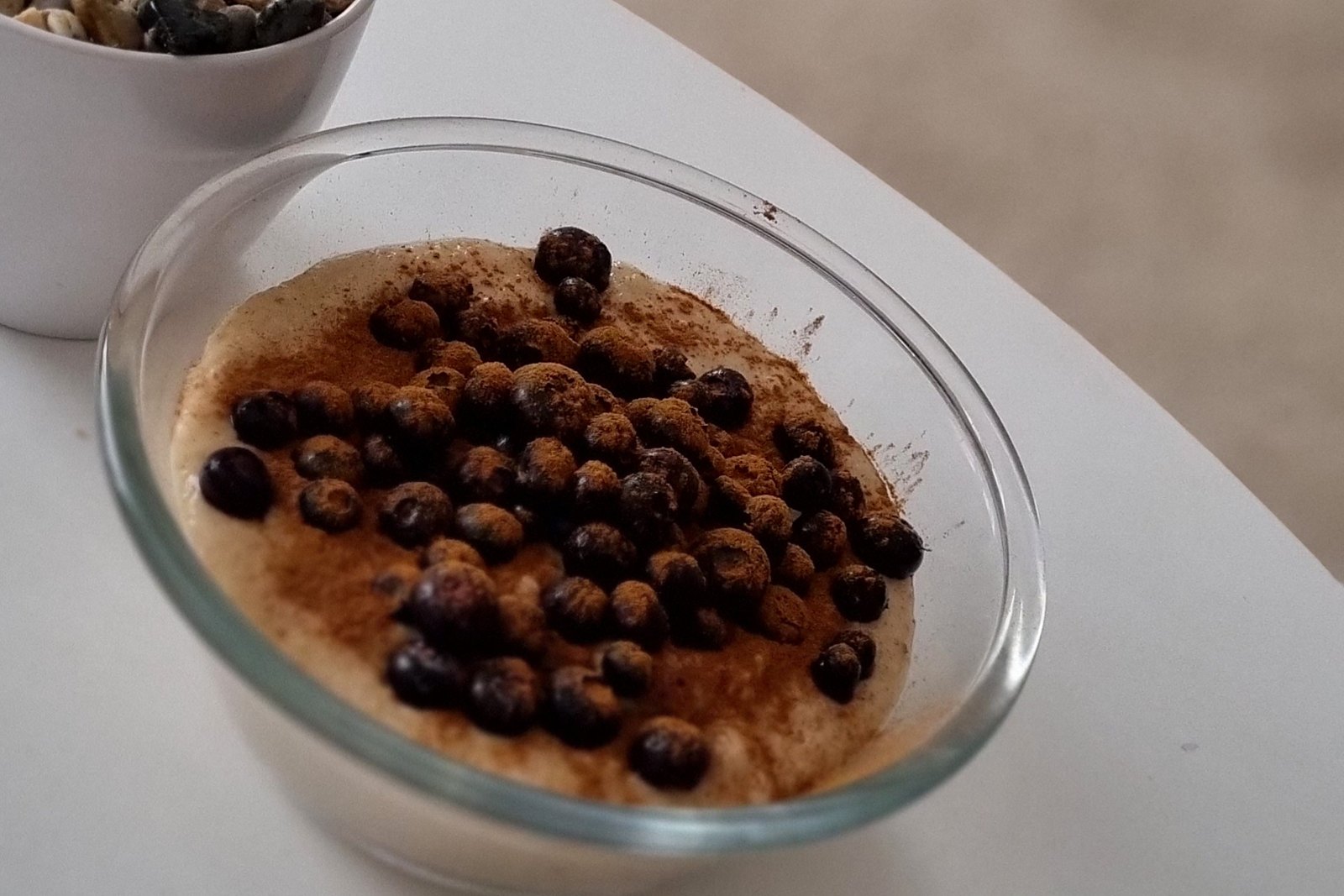
What to eat in the morning, before school and before a match
The right guidelines for the first meal of the day.
Want a nutrition plan built around your profile?
Take your free audit in a few minutes and get personalised recommendations from Jérôme.