
Nutrition for young footballers in academies: the complete guide.
He trains seriously. He gives everything on the pitch. But between sessions, what he eats decides whether he progresses or stalls. Here is the complete framework, designed for the reality of an academy player.

Working with players from U15 to professional level, in academies and clubs, has taught me one simple thing. What holds players back rarely comes from the pitch. It often comes from the table. A young player can add more sessions, have an excellent strength and conditioning coach and real talent, but if his diet does not keep up, part of the work goes up in smoke.
This guide brings together the essentials in the order they matter. Each section links to a dedicated article if you want to dig deeper. By the end, you will know exactly where to act first.
Why nutrition matters as much as training
Between 13 and 23, the body is building while it performs. Growth, muscle development, a heavy training load and school days: a young academy footballer's needs are often higher than those of a sedentary adult, and yet they are frequently under-met. How these demands add up is explained in why a young footballer does not eat like an adult.
The consequence is subtle but real. A chronic energy shortfall slows recovery, holds back muscle gain, increases the risk of injury and wears down mental freshness. Conversely, a solid nutrition framework becomes a multiplier: more energy available, faster recovery, a season played through without losing momentum.
Performance starts long before training.
How much should a young footballer eat?
There is no single figure. Needs depend on weight, age, stage of growth, position and the week's load. A day with a double session is not fuelled like a rest day. The logic is always the same: cover expenditure, slightly above it when the goal is to build.
Three pillars shape the whole picture:
- Carbohydrates are the footballer's main fuel. They fill the stores that power sprints, duels and the end of the match.
- Protein repairs and builds muscle, spread across the day rather than concentrated in a single meal.
- Good-quality fats support hormones and baseline energy, without weighing down meals close to exercise.
The real work is not knowing these principles, it is turning them into concrete portions for a specific player. That is exactly the role of individual coaching.
Dedicated articleHow many calories does a young footballer need? →
The fuel that decides the first half
A young player who reaches kick-off with empty stores or a meal still being digested starts already behind. The pre-match meal aims for the opposite: full stores, digestion complete, stable energy. That requires the right content, the right amount and above all the right timing.
A classic mistake: fruit juice on the morning of the match. Natural, quick, convenient, but it is a fast sugar that causes a spike and then a drop. The player sometimes arrives already on the way down before he has even started.
Dedicated articleWhat to eat before a football match? →
Lasting the second half
The end of the match is partly decided before it, but also during it. In long, intense efforts, maintaining hydration and a light carbohydrate intake at half-time helps preserve clarity, speed and decision-making in the last twenty minutes, which are often decisive.
Refuelling to go again
Recovery is not optional: it is what allows a player to perform strongly again a few days later. After exercise, the goal is to refill stores, provide the protein needed for repair, rehydrate and protect sleep. A player who recovers poorly accumulates fatigue and ends up playing below his level, week after week.
Dedicated articleRecovery after a match →
The invisible detail that changes everything
Even mild dehydration lowers performance and concentration before thirst is felt. How much to drink, when, and with which electrolytes: these are simple adjustments that support effort in training and in matches, and speed up recovery afterwards.
Dedicated articleHydration for footballers →
Muscle gain and growth, without losing explosiveness
Many young players want to gain size and power. That is legitimate, but it takes method. A controlled calorie surplus and well-distributed protein intake make it possible to build useful muscle, while respecting growth and preserving speed. Gaining weight is pointless if the player loses his explosiveness.
Dedicated articleHow to build muscle as a young footballer →
Nutrition and physical preparation: one project
Nutrition does not replace physical work, it makes it pay off. The strength and conditioning coach builds the engine, nutrition supplies the fuel and the spare parts. When the two move forward together, the young player progresses faster and breaks down less. That is where the gap opens up over a season.
Dedicated articleFitness coaching and nutrition in academies →
The 3 mistakes that sabotage the weekend
Three habits come up almost every time, and the good news is that they can be fixed in less than a week, with no diet and no extra budget:
- Fast sugar just before the match, which creates an energy spike followed by a drop.
- A poorly judged meal the night before, too late, too heavy or badly combined, which disrupts digestion and sleep.
- The gap between lunch and kick-off, several hours without fuel before an intense effort.
None of these three is a lack of willpower. It is a lack of information. Once they are fixed, energy on the pitch changes visibly. For the first meal of the day, see also breakfast for young footballers.
Written by Jérôme Devos, EREPS-certified sports nutrition coach and Head of Sports Nutrition at DrillSelected, former elite player, trained up to U23 at RAAL La Louvière. He works with young footballers from Belgian and international academies, from U13 to professional level, through BodyFitWithMe in Brussels. Find out more.
Your questions.
A meal rich in easily digested carbohydrates, a light source of protein and little fat, eaten about 3 hours before kick-off, topped up with a small snack in the pre-match window. The goal is to arrive with full energy stores and digestion complete.
Often not. A teenage athlete in an academy has high needs, and a shortfall easily goes unnoticed. It is one of the first things we check.
Yes. Better fuel before exercise, suitable hydration and structured recovery directly affect energy, concentration, how quickly a player recovers between matches and the ability to get through a season without losing momentum.
The foundation is built first with meals and timing. Supplements come afterwards, if they are genuinely useful, never in place of a solid framework.
Yes. The aim is not a rigid protocol, but realistic good habits, at the right time.
Keep reading.
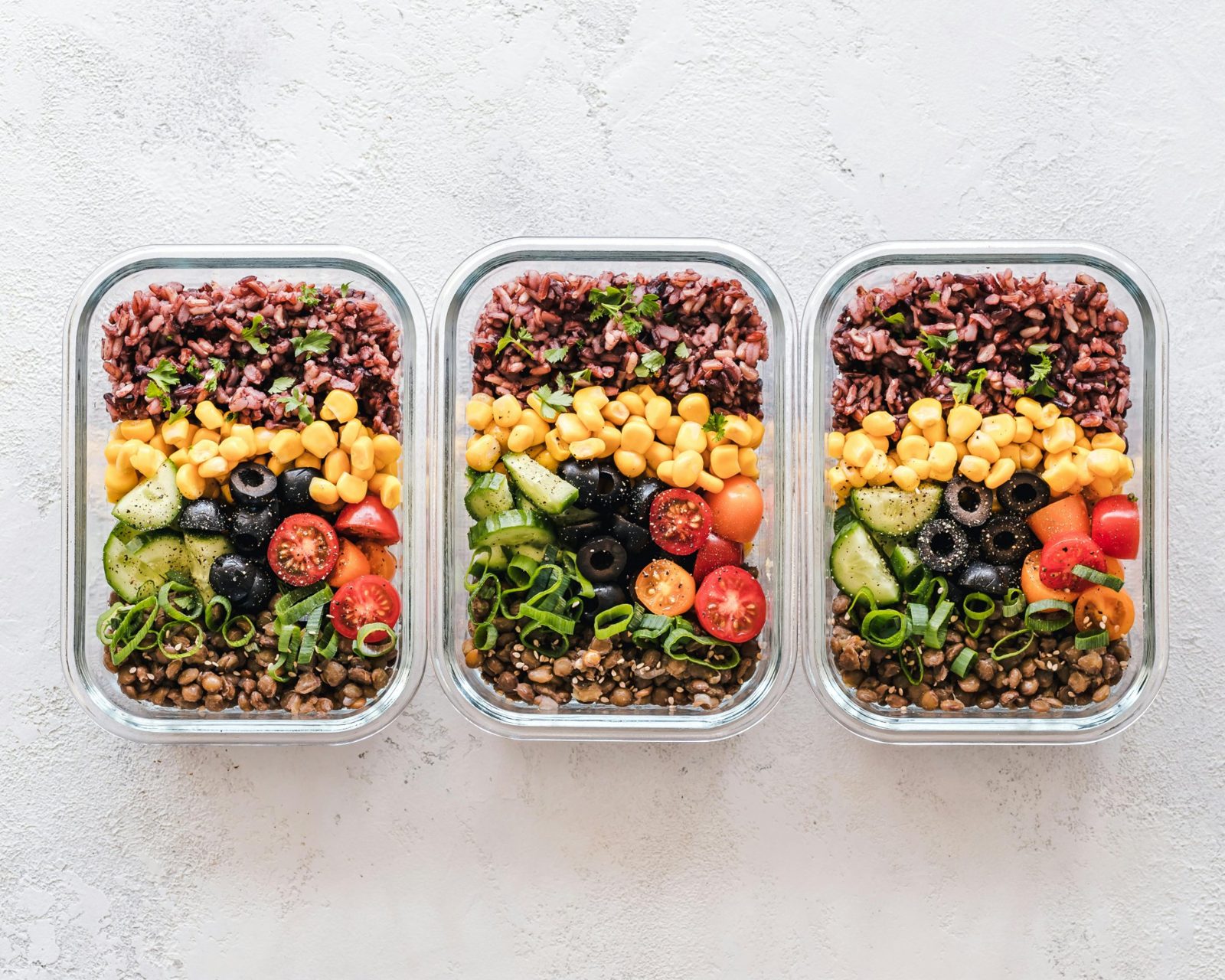
How many calories does a young footballer need?
The real calculation of needs, from 13 to 21, and how to check it.
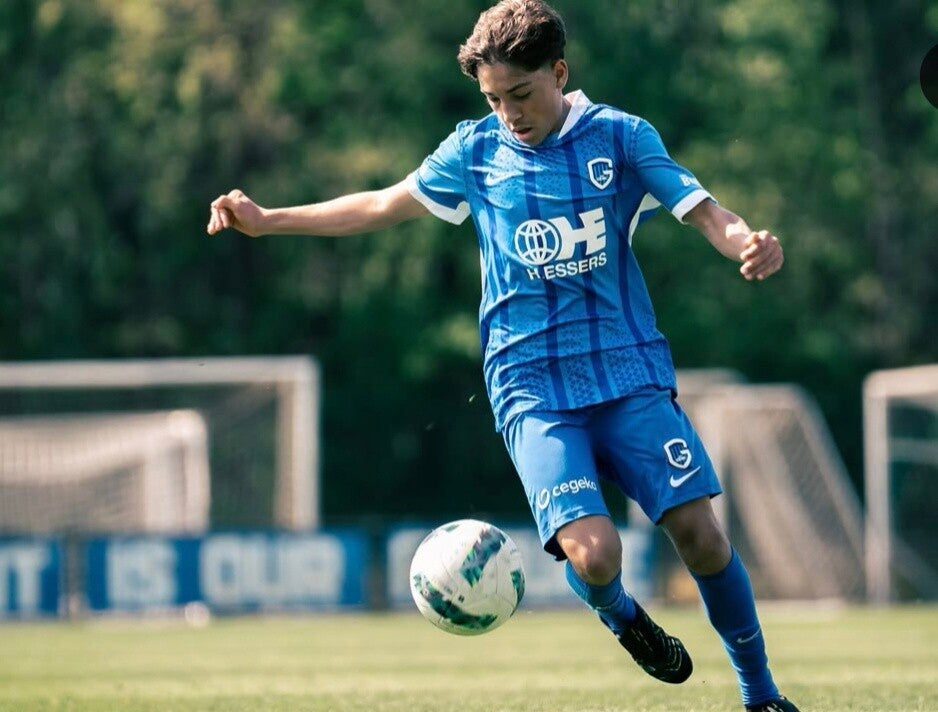
Why a young footballer does not eat like an adult
Growing, learning, performing, recovering: a teenager eats for four.

Creatine, whey: what a young footballer can really take
What is useful, what is pointless, and from what age.
Where does your son really stand?
I created a free nutrition quiz to pinpoint his diet and identify what needs adjusting first. Two minutes, personalised result.